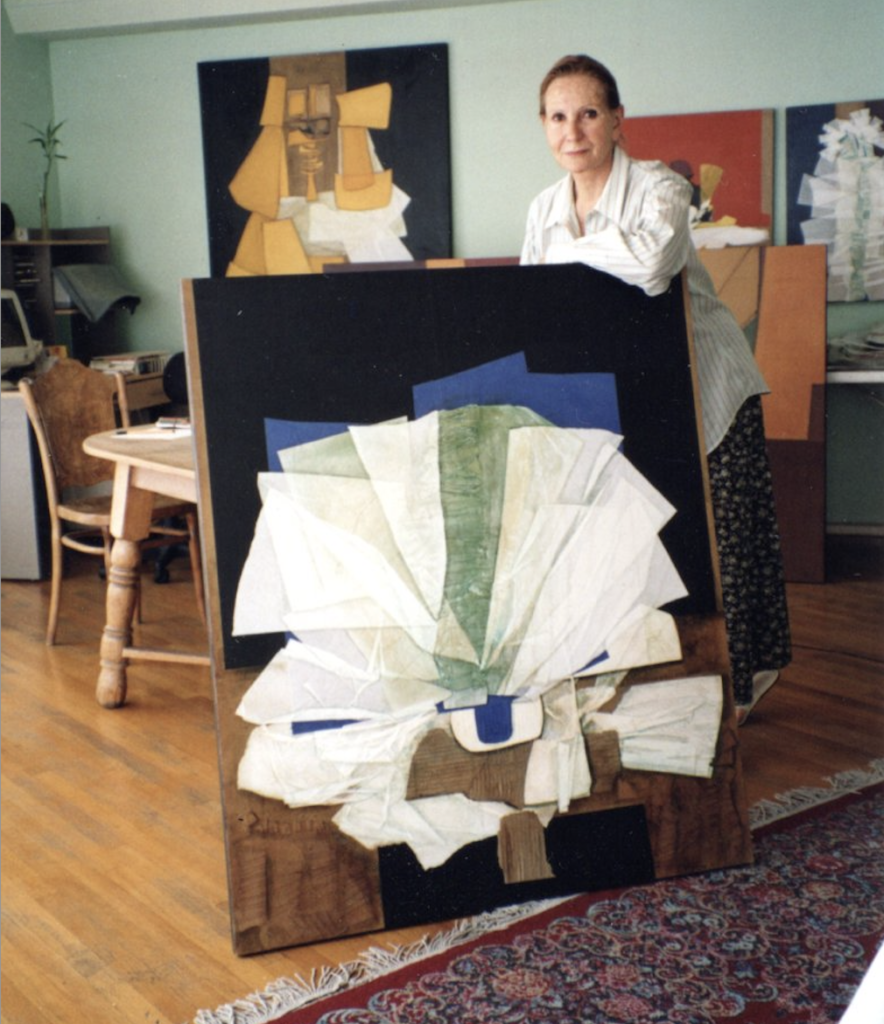
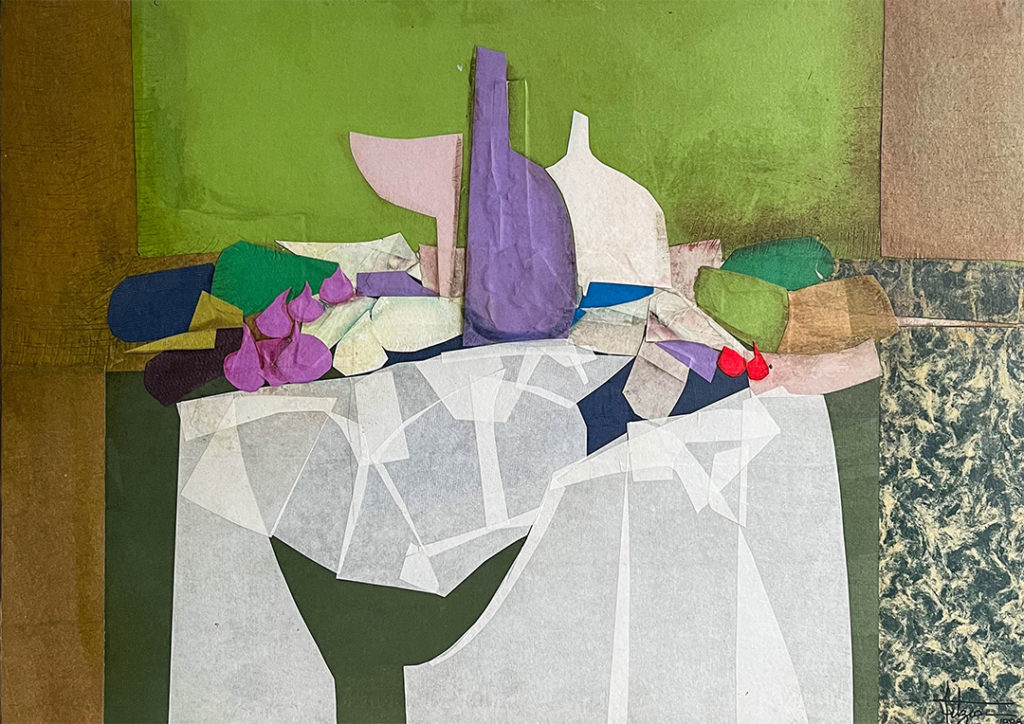
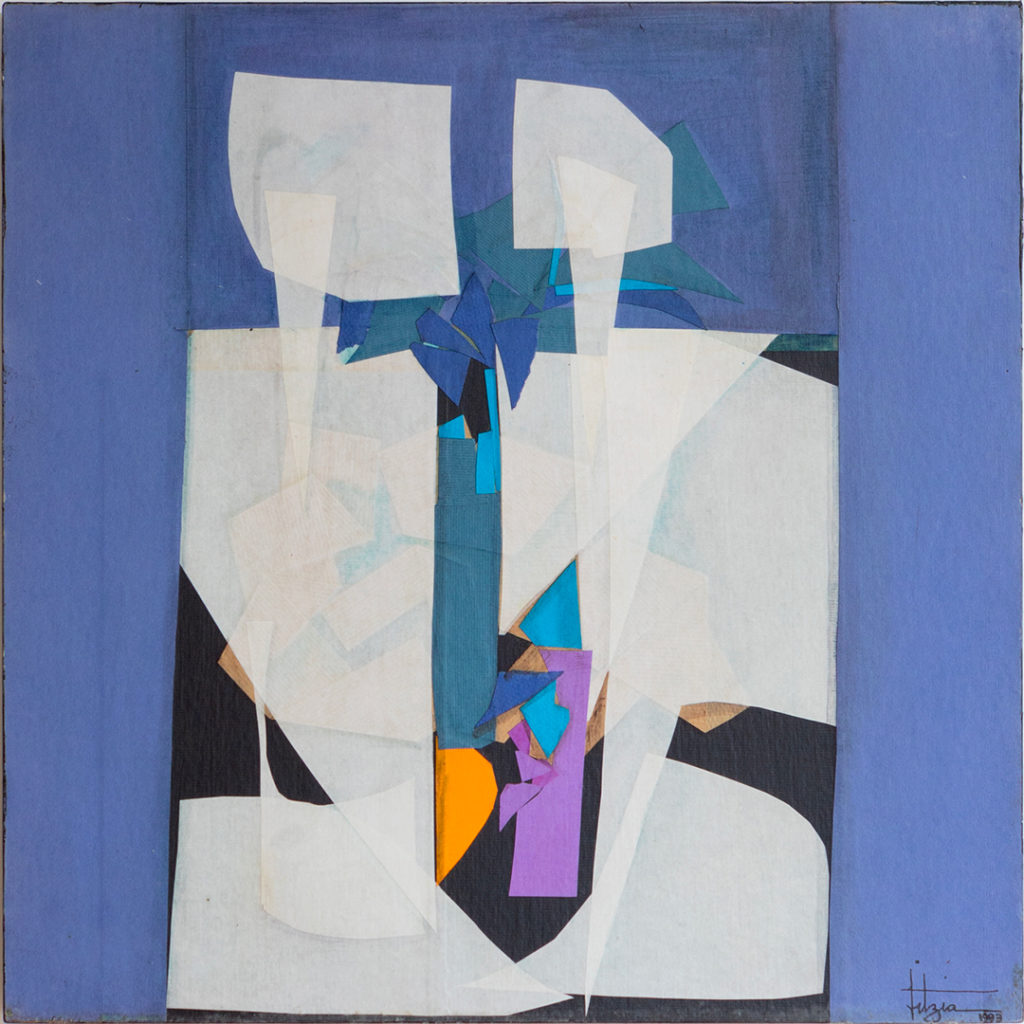
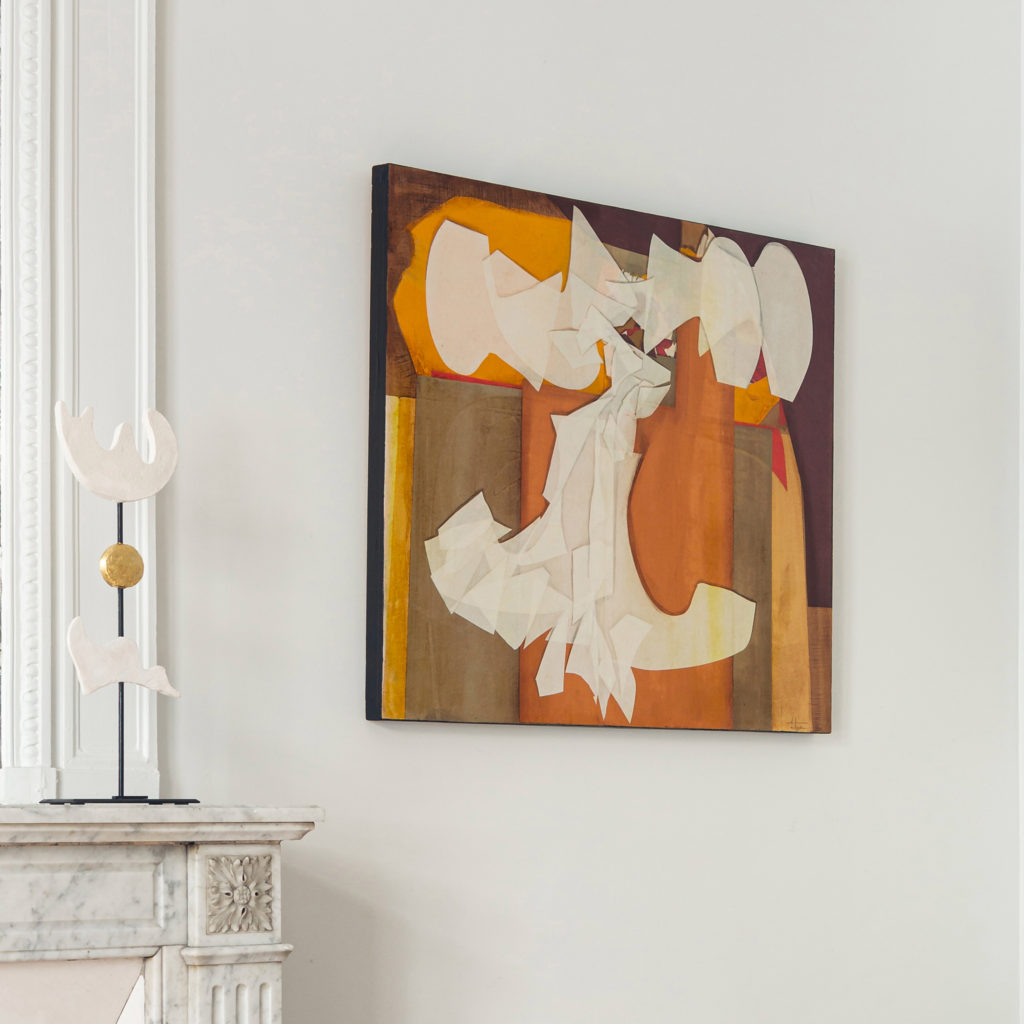
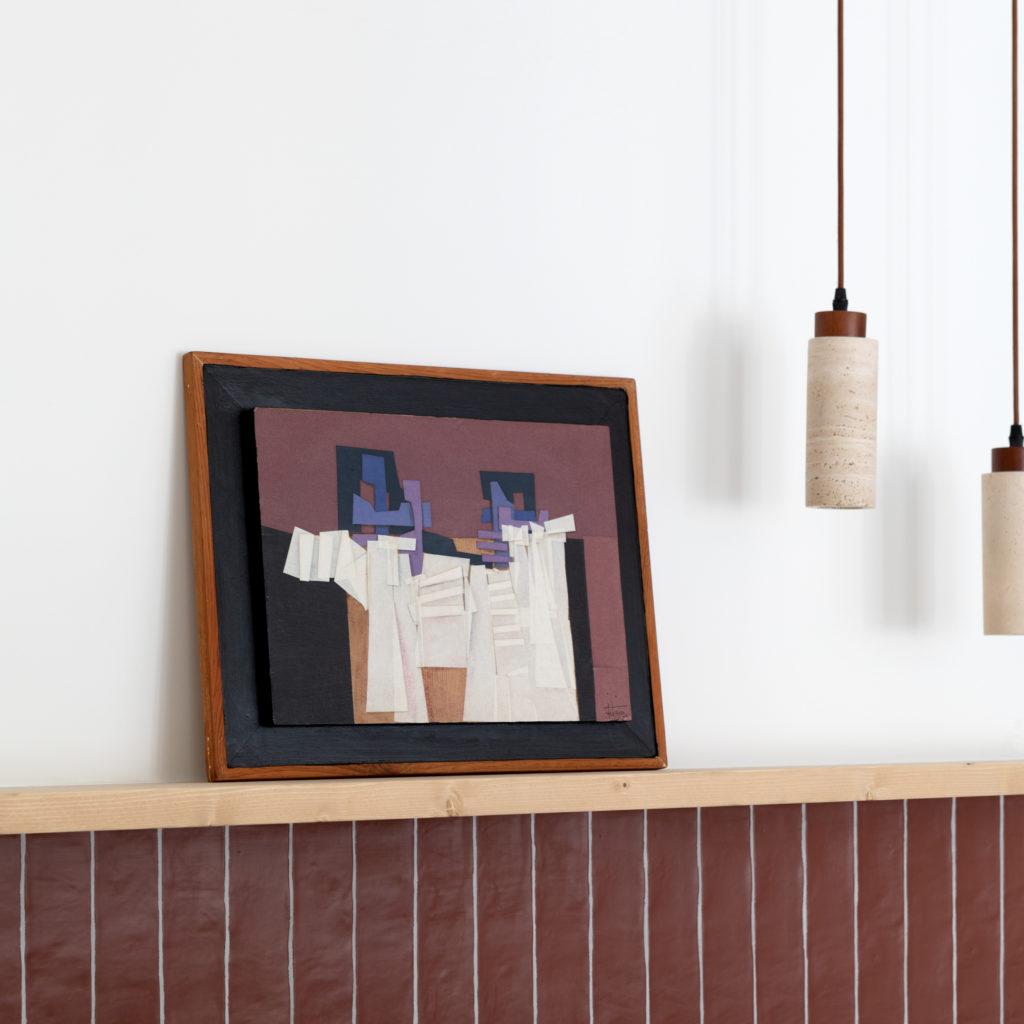
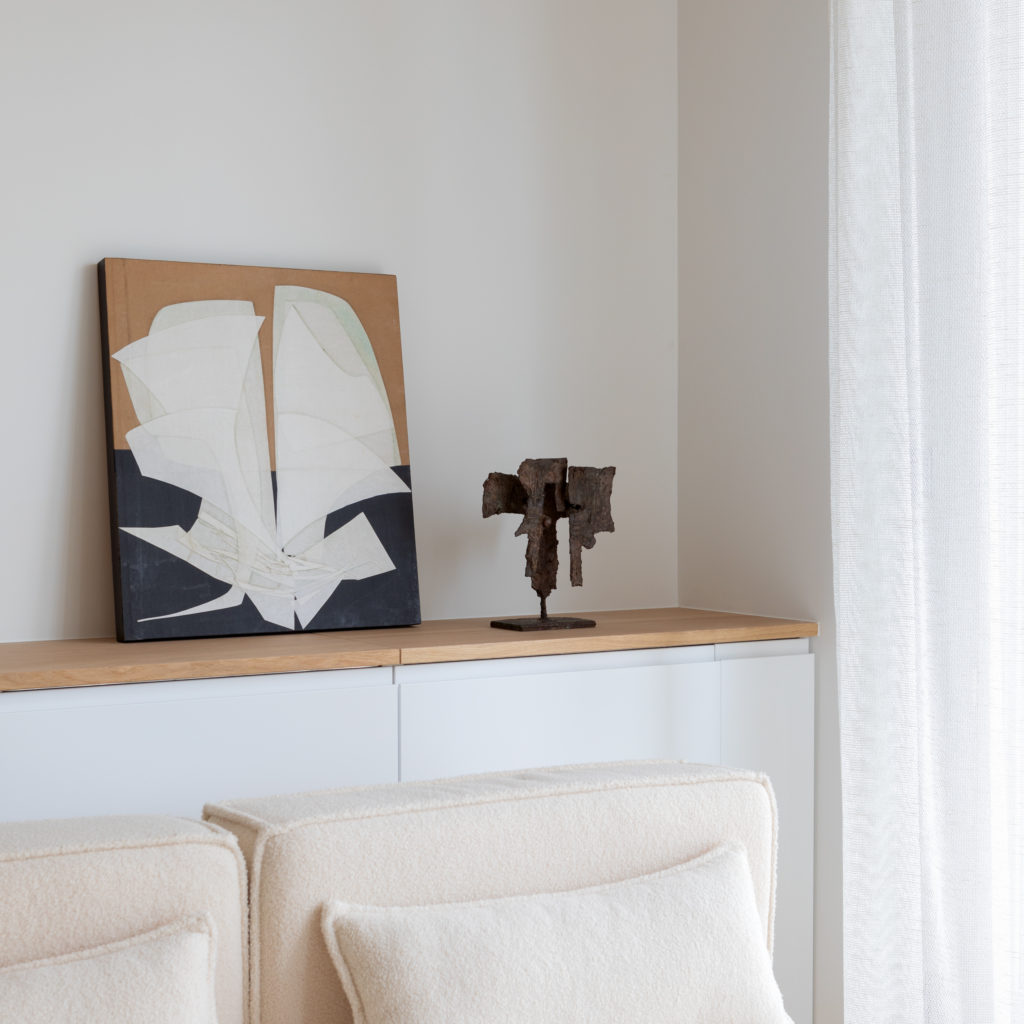
Since her passing in 2015, Fitzia’s artistic legacy has been carefully preserved by her son, Patrick, her rightful heir. We had the pleasure of meeting him.
In this interview, he immerses us in the artistic world of Fitzia, an artist who left a mark on her era with her unique approach to collage. Discover her story, the inspirations that shaped her work, her creative process, the defining moments of her career, and how Patrick continues to honor her artistic heritage.
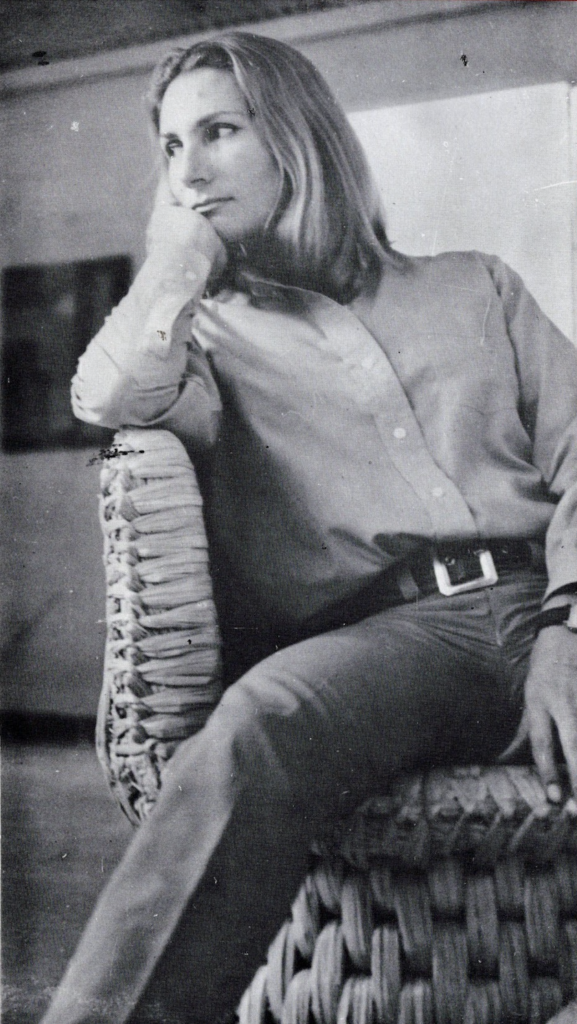
Patrick, could you introduce Fitzia, your mother, in a few words?
My mother was a brilliant, funny, radiant woman with a great love of life, who always saw everything positively.
Can you tell us about your mother’s origins and childhood?
Fitzia was born in France to a French mother and a Basque-Spanish father. She was the second of three sisters and grew up in Paris, attending boarding schools run by nuns. She experienced the war through the innocent eyes of a child, living in the 16th arrondissement, she and her family would climb to the roof to watch the “fireworks,” which were actually bombs. After her grandfather’s death, the family moved to Spain.
How did art enter Fitzia’s life, and how did collage become her preferred medium?
Although born in La Baule, Fitzia grew up in Paris and showed early talent for drawing. As a teenager, she discovered a passion for art. At age 13, she randomly chose her artist name “Fitzia” with the help of a friend.
Initially, she painted oils and landscapes, holding her first exhibition in 1957 in Mexico. It was there she began experimenting with collage, using tissue paper glued onto painted canvases. Later, after meeting the Spanish painter Francisco Farreras in New York, she discovered “pure” collage—a turning point in her career.
How would you describe her personality as an artist and as a person?
She was generous with her time and money, altruistic, and very sociable in her daily life.
An example of her generosity: she built a tiny house for a young single mother with three children living in precarious conditions in Mexico. It was a very small space in a shantytown, with just one door and one window. I remember asking her why only one window, and she replied, “Because I don’t have money for any more windows.”
In her work, Fitzia was a perfectionist, demanding of herself. She was capable of destroying and redoing a painting several times if she was not satisfied with the result. She always rose very early, perhaps inspiration woke her, then made her coffee and began working.
How would you define her artistic style and universe?
Her early paintings were mostly representational, figurative watercolors, landscapes, and portraits. She explored various techniques, but I would say the style that best defines her is abstract.

What were her inspirations and recurring themes?
My mother was greatly influenced by her life experiences. I believe her life changed profoundly after her trip to Mexico at the age of 20, where she married my father. She was struck by the vivid colors of Mexico and the richness of the artisans’ creations there. She used to say, “It is only in Mexico that one is born an artist.” But she also said, “My works are a reflection of my contact with people; my relationship with human beings is the most important thing on this earth. And in my works, you can see what each person brings me.”
Which artists or movements influenced her in France and Mexico?
In the book my mother wrote in Mexico, Collage, arte mayor, she mentions artists such as Juan Gris and Georges Braque, among others, but I am certain that her strongest influences were Francisco Farreras in Europe and Rufino Tamayo in Mexico.

What were the key moments or events in Fitzia’s life in France and Mexico that influenced her artistic work? Which aspects of her work best reflect her Mexican and French cultural heritage?
I believe that discovering Mexico and the artistic richness found everywhere, in every corner of the country, was a wonderful source of inspiration for her early on. Later, her time in New York, where she lived, met other important artists, and exhibited her work, helped her define her style. It was during this period that she began working on large-format pieces. In the 1960s, the “spatial era” greatly inspired her for the exhibition Metagalaxia.
How did she choose the materials for her collages? Could you describe her artistic process, from conception to the completion of a work, including any rituals or routines?
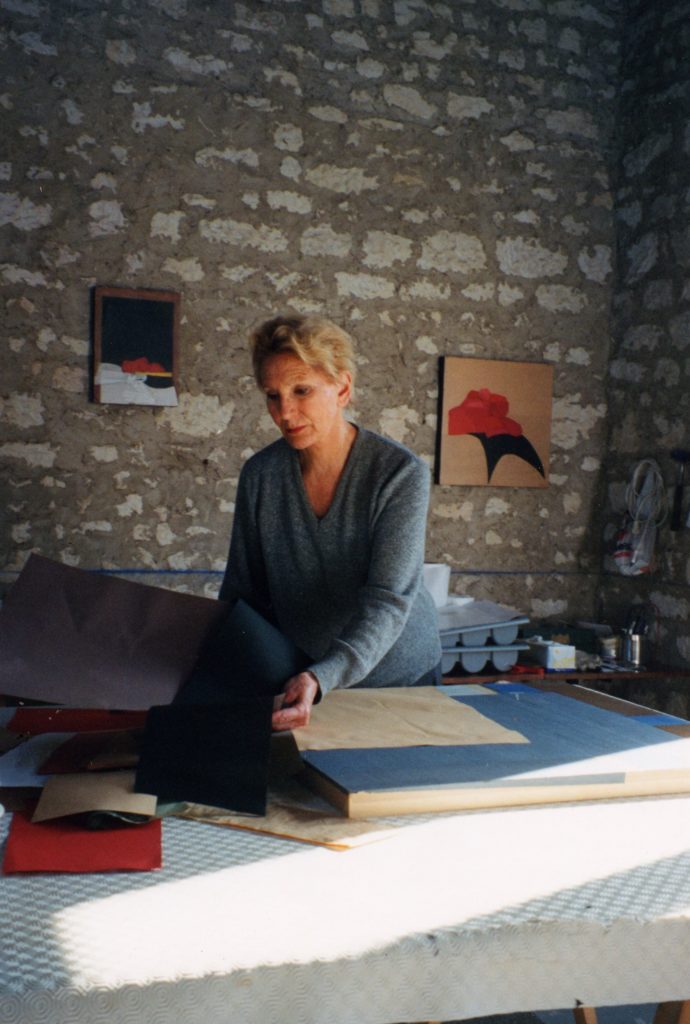
She always said that she chose her papers by touch. For her, the texture of the paper was essential. It was a way to ensure that the paper would adhere properly and withstand the treatment of glue and paint on the support she worked on, which was often wood. She had a close relationship with her materials and often said that in “her struggle” between the paper and herself, it was always the paper that “won.”
For the theme, she would first do research and draw inspiration from books. Then she would lock herself in her studio with music, she was a fan of Bach, plenty of French music, Gilbert Bécaud and Aznavour, as well as Mexican folk music, and then… she would let herself go!
Were there any specific technical or methodological aspects she used in her work?
Yes, the quality of the wood for her panels and the papers was extremely important to her. She had to ensure that the panels were made from dry wood and that the papers would not lose their color due to the moisture in the glue. The virgin white wax also had to be of excellent quality to protect her collages afterward.
What message or emotion did she hope to convey through her works?
Her love of life, and her desire to convey joy through light and color. To leave a mark, to surpass herself. Simply put, to leave a human legacy.
How would you describe the evolution of her artistic style over the years?
At the beginning of her artistic journey, she mainly painted figurative oils after moving to Mexico. She then began creating more abstract works. She was always seeking new techniques to develop a style uniquely her own. While collage was a classical technique, Fitzia managed to invent her own approach. This immediately gave her the freedom to create according to her imagination. In the following years, she refined her technique and produced remarkable works, including a large mural measuring 290 cm × 600 cm for the Instituto Nacional de Neurología y Neurocirugía in Mexico. It was also during this period that she began exploring sculpture. In the 1970s, screen printing became part of her artistic universe.
Could you share a significant moment from her artistic career?
I believe that in the 1960s, many important things happened, as she succeeded in integrating her works with the world of architecture. She even managed to hold between three and four exhibitions per year.
Are there one or two specific works that, in your opinion, are the most emblematic of Fitzia, and why?
It is difficult to choose just one or two specific pieces, but I can say that a very significant period in my mother’s life was the change in her palette, which became vibrant after the death of my brother Philippe, who was still young when he passed away. The titles of her paintings during this period were also very striking.
Are there any anecdotes or specific stories that clearly illustrate her devotion to her art?
My mother loved writing letters while having her morning coffee. She would start each letter to friends or family with a small collage she created, always using green ink, her favorite! So we all always had a little piece of Fitzia in our mailboxes.
Are there any cultural or educational institutions that celebrate her work and influence? Where can one find archives, private collections, or museums exhibiting her works?
We have always had Galerie Durst in Paris, which represents her in France.
In 2007, a book titled Una Obra – Una Vida, which translates to A Work – A Life, was published. It was a way to share her artistic journey with the public.
We also created her website a few years ago, which is still active. We continuously update it and work to increase her presence on social media so that her works and artistic legacy remain relevant and alive.
17. How is your mother’s memory and artistic work honored in your family today? Have you taken any initiatives to preserve and promote her artistic legacy?
She remains very present in my family’s life and in my own. Whether through her paintings or memories, we often celebrate her artistic legacy. Fitzia is honored every day through the many works displayed in museums, private residences, and workplaces of collectors, primarily in Mexico, Canada, France, Spain, Germany, and the United States. Since 1998, I have been digitizing her personal archives and cataloging all of her works.
What are the future projects to celebrate and share her artistic legacy (exhibitions, publications, films)?
This exhibition is a major retrospective of her works and a tribute to her memory.
What was the nature of your relationship with your mother? Were you closely involved with her artistic work?
I have always had a very strong bond with my mother. When I was young, she often gave me artistic tasks to do while she worked. Then, in 1998, I became her assistant, helping her purchase materials and prepare her panels. I later undertook the project of digitizing all her personal archives, and it has become something of a lifelong mission for me.
How did your mother pass on her love and passion for art to you?
We often went to exhibitions together, whether at museums or at other artists’ openings, in Mexico or in Paris where we lived. With her, I always learned something, about techniques, the artist’s motivations, or the social context of the time, but above all, I think the greatest gift she gave me was seeing her work with such passion.
Are there any particularly memorable moments or memories that you cherish?
The list is long because I spent a very large part of my life by her side, both in Mexico and in France. I would say what touched me most was her trust, which allowed me to be present in her studio while she created her works. She didn’t let just anyone in!
Finally, how has her passion for art influenced your own life and worldview? What valuable lessons or advice did she teach you through her work and life that still impact you today?
Her passions, for art, but above all for life, shaped my character. I am a positive person, with a joy for life similar to hers, and I always try to keep my focus on the future. My mother was very generous, and I believe I have been able to pass that on to my own children. She was not a complicated person and needed very little to be happy. I think I am a bit like that too: simple, and happy as long as those around me are happy.
| Exhibition “Voyages en papier: The Universe of Fitzia” by Fitzia From October 17 to November 9, 2024, at Galerie Durst Opening reception on Wednesday, October 16, starting at 6:00 PM |
To learn more about Fitzia’s work, don’t miss the documentary The Mastery of Collage: