Printmaking is the art of shadow and light, where each line carries the weight of the artist’s soul.
Jean-Baptiste Camille Corot, french painter and printmaker
Printmaking is an art form based on printing techniques that allow an image to be reproduced in multiple copies from an engraved, drawn, or otherwise prepared matrix. Each print is a unique impression, signed and numbered by the artist, combining technical craftsmanship with artistic creation.
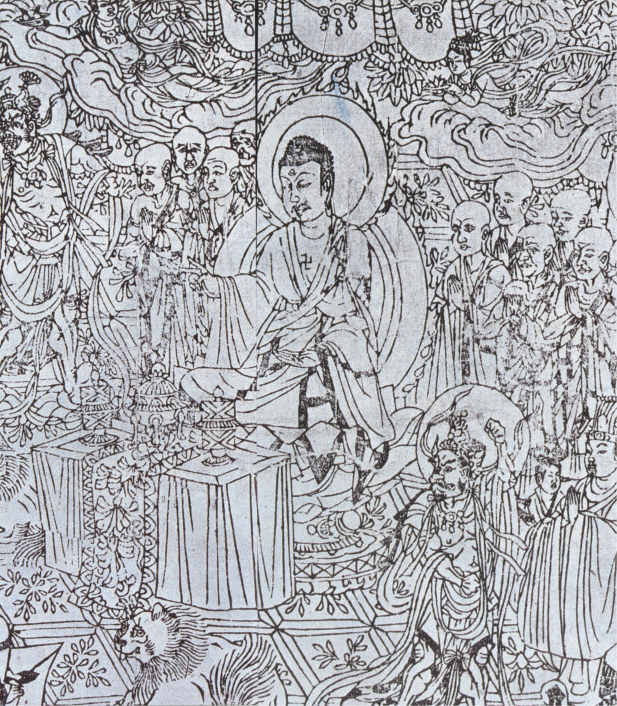
Diamond Sutra (an ancient Buddhist text), woodblock print, 868 AD, Tang dynasty.
The origin of printmaking
Printmaking has existed for centuries and has a long history, marked by a great variety of techniques and styles.
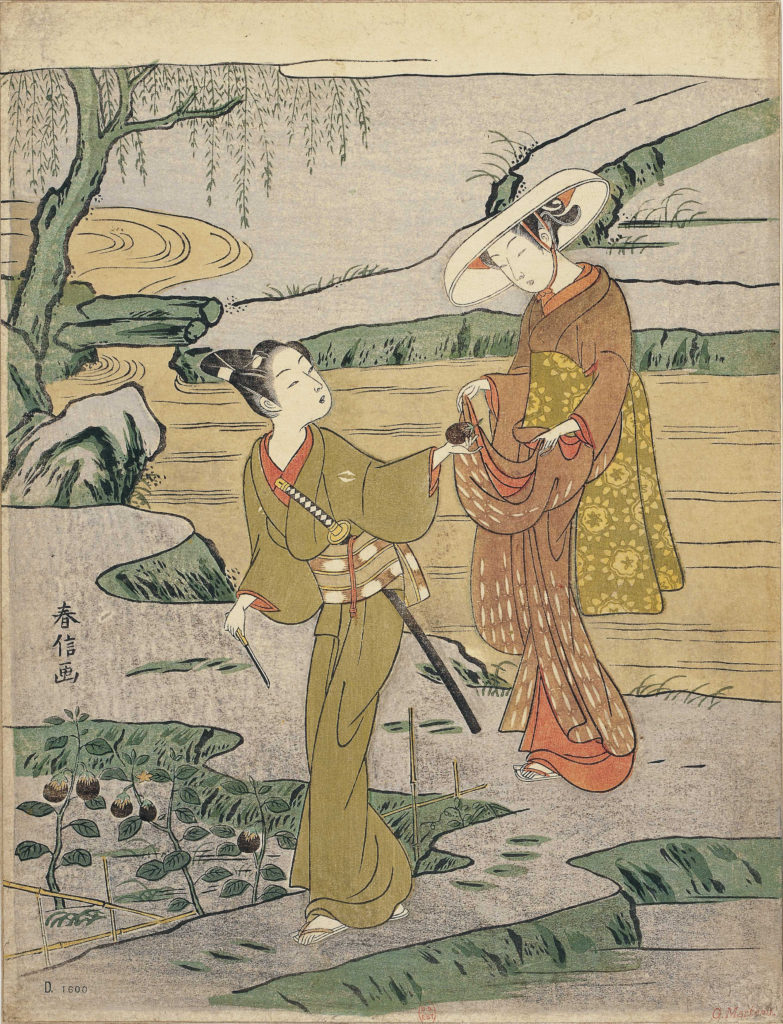
It originated in China in the 2nd century AD, where Buddhist monks used wooden blocks to print religious texts and images. This practice later spread to Japan in the 7th century, where woodblock printing techniques were refined to produce images (Japanese prints, known as ukiyo-e) depicting scenes of everyday life, portraits, as well as landscapes.
In Europe, printmaking played a key role in the dissemination of art and ideas. Its origins lie in woodcuts used during the Middle Ages to decorate manuscripts or produce religious images. With the invention of the printing press in the 15th century, printmaking gained popularity and made it possible to reproduce images on a large scale. Over the centuries, techniques such as copper engraving, etching, lithography, and later screen printing enabled artists to create works with a great diversity of textures, details, and colors. Prints were used to illustrate books, to create independent images that could be sold and collected, but also to document historical events, depict nature, and produce portraits of famous figures.
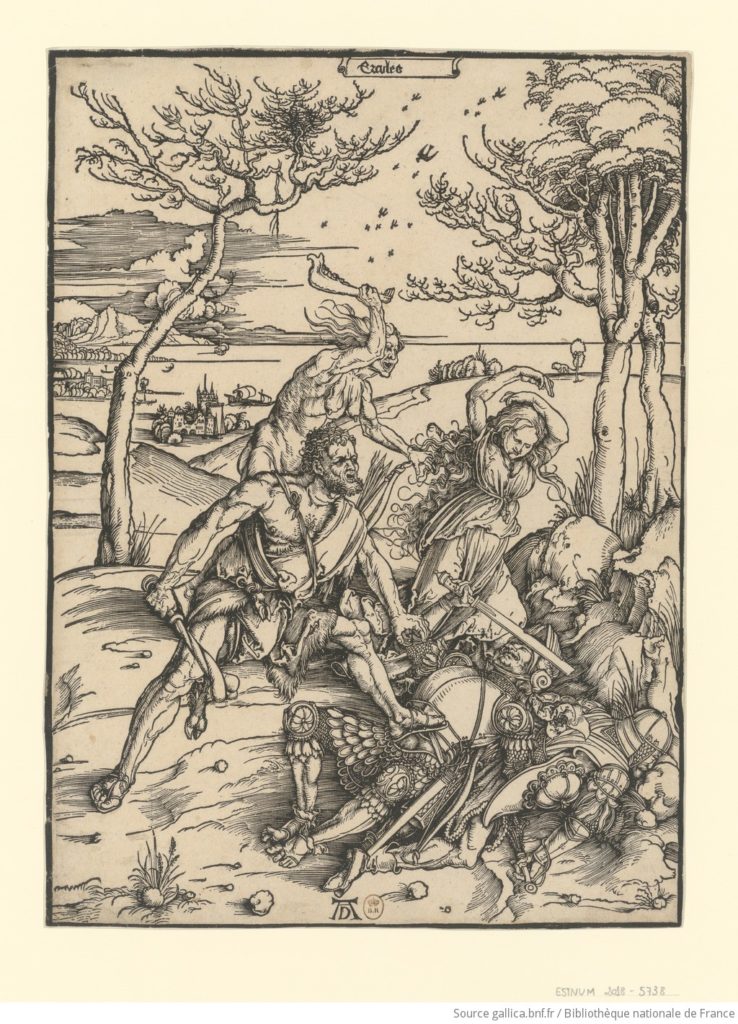
In the 18th century, printmaking became an important means of disseminating art, information, and ideas in Europe. These developments made printmaking a powerful medium for spreading ideas, whether political, social, or artistic, particularly in the 19th century with artists of the Impressionist movement, and in the 20th century with movements such as Dadaism, Surrealism, and Pop Art.
Today, printmaking remains a major artistic medium. Artists around the world use a variety of techniques to create unique works, and printmaking allows images to be produced in series, making art more accessible to a wider audience.
How does it work ?
The artist creates a matrix (in wood, metal, stone, or another material) on which they engrave, draw, or apply a design. This matrix is then inked, and the image is transferred onto a support (usually paper) using a press or by manual pressure. Depending on the technique used, the final result varies in texture, detail, and depth.
The main techniques
1. Relief printing (also called relief carving): The non-printing areas are carved away from the matrix. Ink remains on the raised surfaces.
- Woodcut (Xylography): Carving on wood, where the artist works in relief. Used since the Middle Ages.
- Linocut: Similar to woodcut, but linoleum replaces wood, offering greater flexibility.
2. Intaglio (also called intaglio engraving): The designs are engraved into the matrix, and the ink is held in the grooves. The surface is wiped clean before printing so that only the ink in the recesses is transferred.
- Engraving (Burin): An intaglio technique using a tool that produces clean, precise lines.
- Drypoint: A sharp point directly engraves the matrix, creating soft and slightly blurred lines.
- Etching: A metal plate coated with a protective ground is engraved, then immersed in an acid bath.
- Aquatint: Used for shading, it creates textures similar to a wash.
- Mezzotint: The plate is uniformly roughened, then polished to achieve subtle tonal variations.
3. Planographic techniques: The image is created on a flat surface, using chemical or mechanical processes.
- Lithography (repulsion between greasy ink and water): The artist draws on a limestone surface with a greasy crayon, taking advantage of the incompatibility between water and grease.
- Screen printing (stencil): A stencil technique using a silk screen to print on various materials.
- Monotype: An image painted on a smooth plate is printed only once, creating a unique work of art.
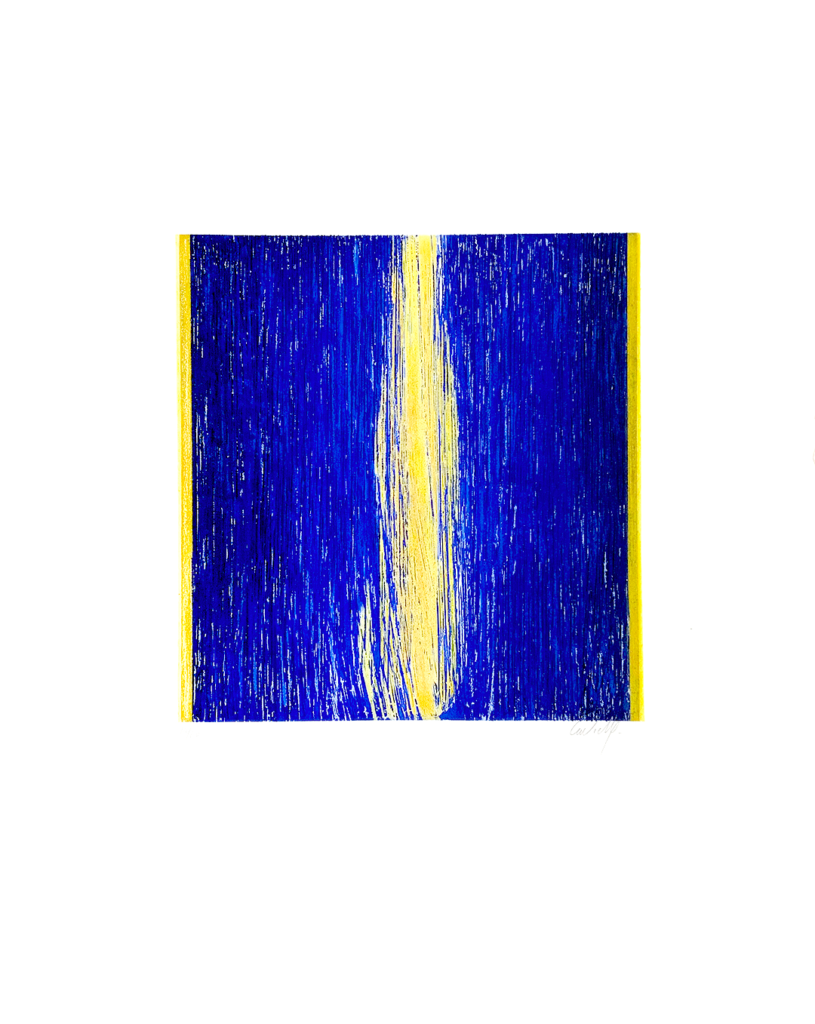
Group exhibition Lumières gravées
From December 7 to December 24, 2024 at the Durst Gallery
Opening reception on Saturday, December 7, from 3 PM to 7 PM
The exhibition Lumières gravées invites you to explore the art of printmaking through the creations of ten artists working with paper in all its forms:
Christiane Vielle, Emmanuelle Aussedat, Geoffroy Tobé, Giovanni Gorini, Ora Mitja, Daphne Gamble, Christine Colin, Benoît Sjöholm, Catherine Cazau, as well as our special guest, Il était un pli.
Engravings, lithographs, and screen prints unfold in a symphony of colors and techniques, celebrating the diversity of paper and ink. Discover subtle and unique works that capture the essence and full richness of printmaking in a captivating visual poetry.
We look forward to welcoming you to the Durst Gallery to celebrate the art of printmaking and share a moment of inspiration and creativity together!
Discover in preview some prints by our artists, which you will be able to admire at the Durst Gallery during the Lumières Gravées exhibition!
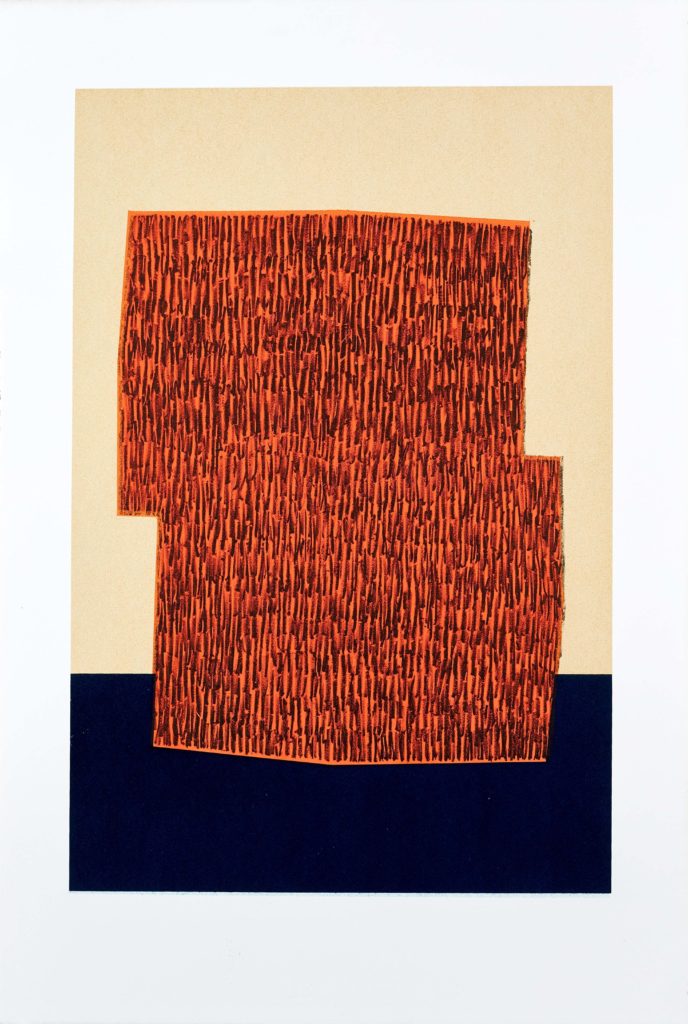
Paille d’or
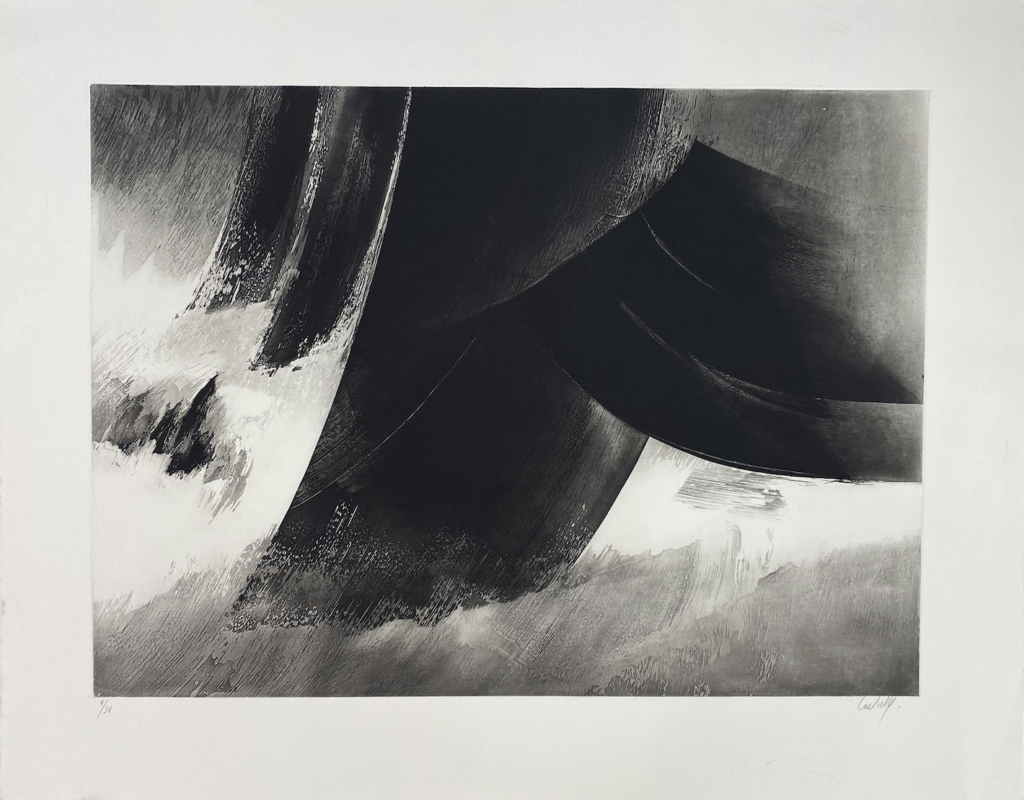
Sous le vent II

Cactus andalou rouge
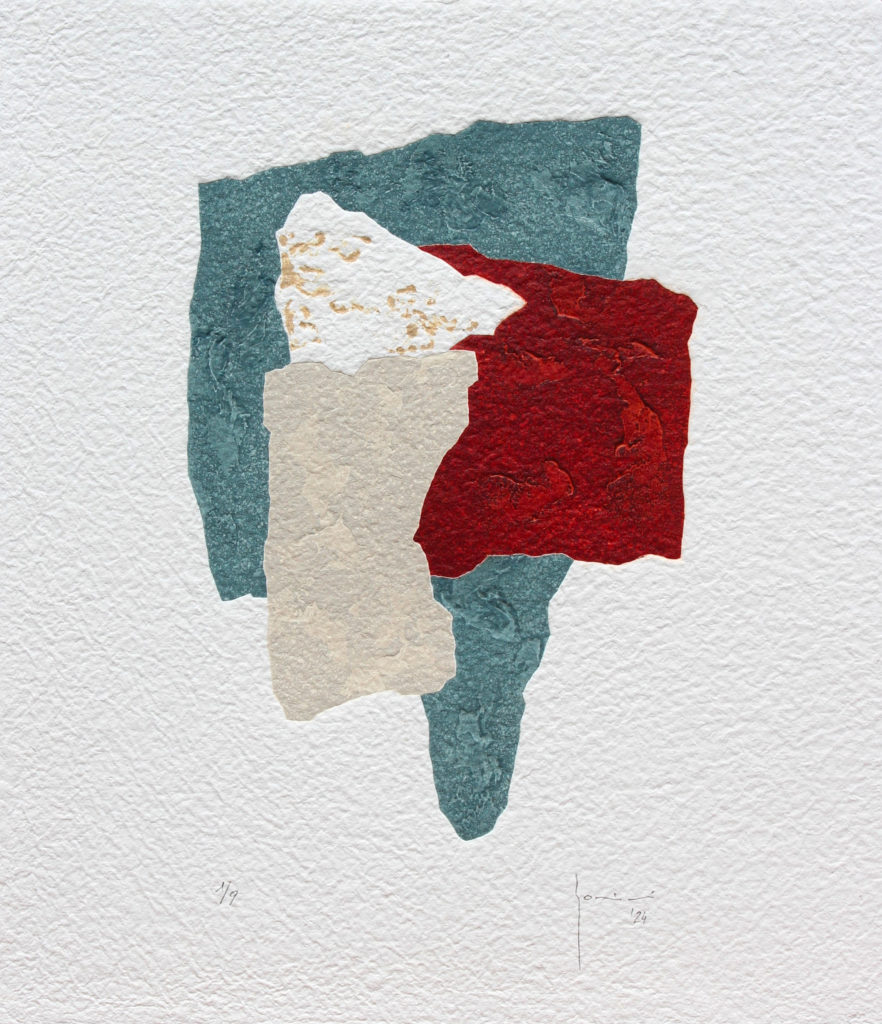
…à la rencontre de la nuit
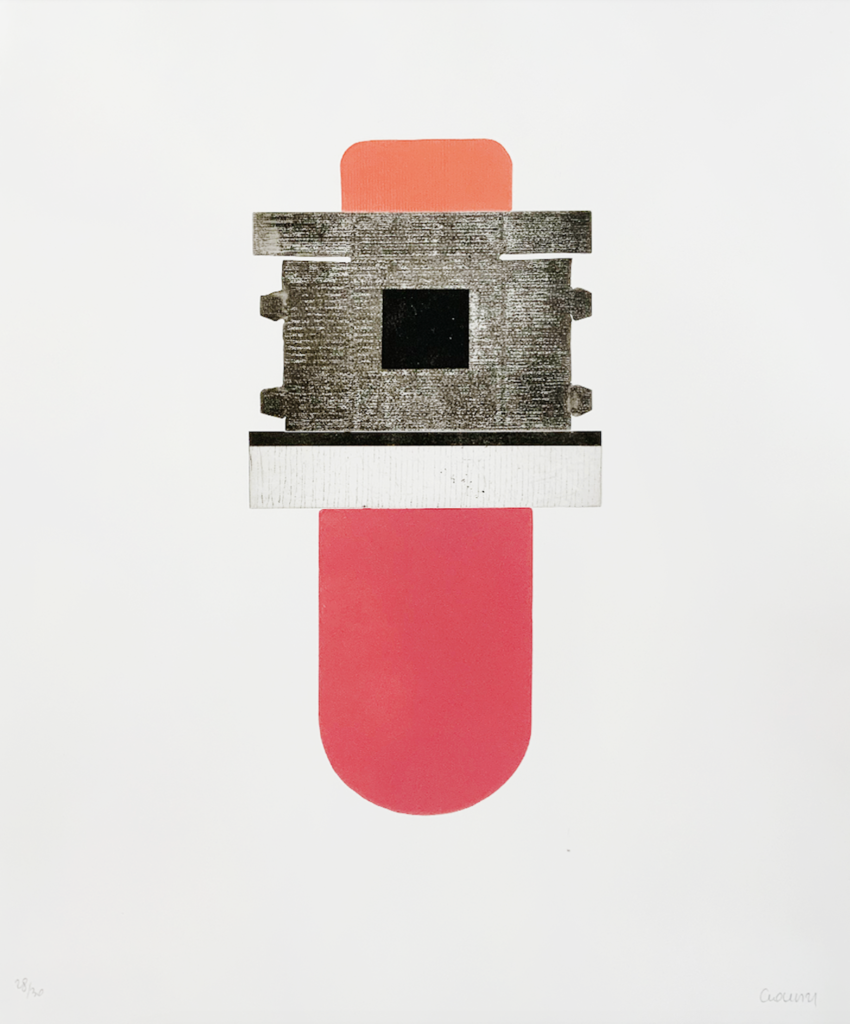
Sans titre 3
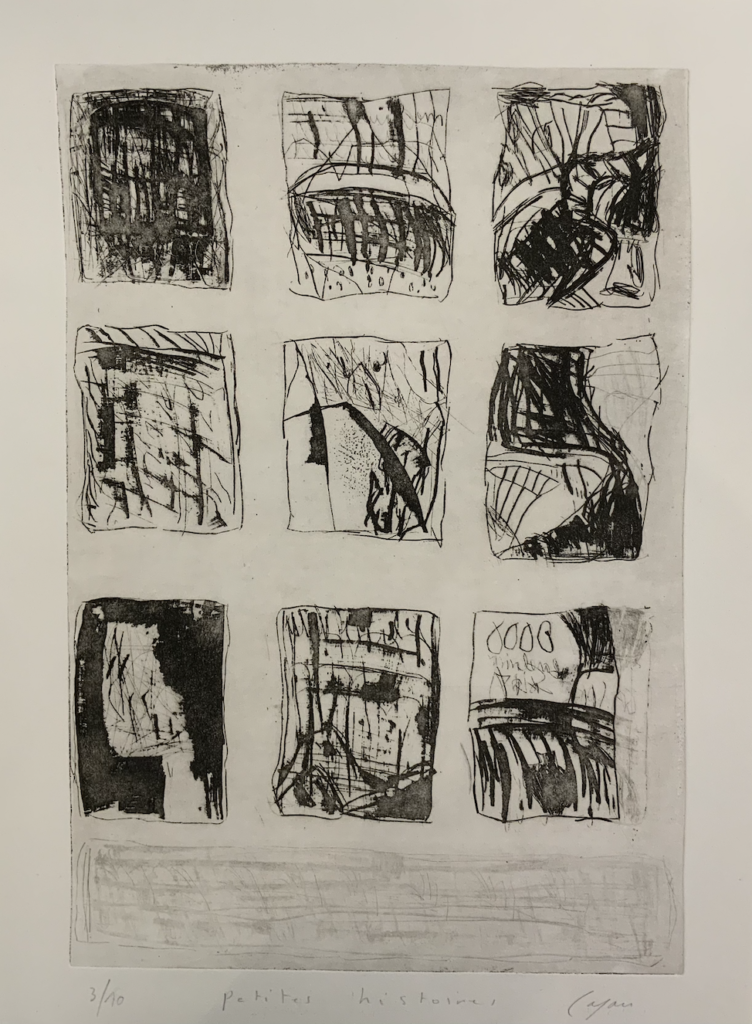
Petites histoires
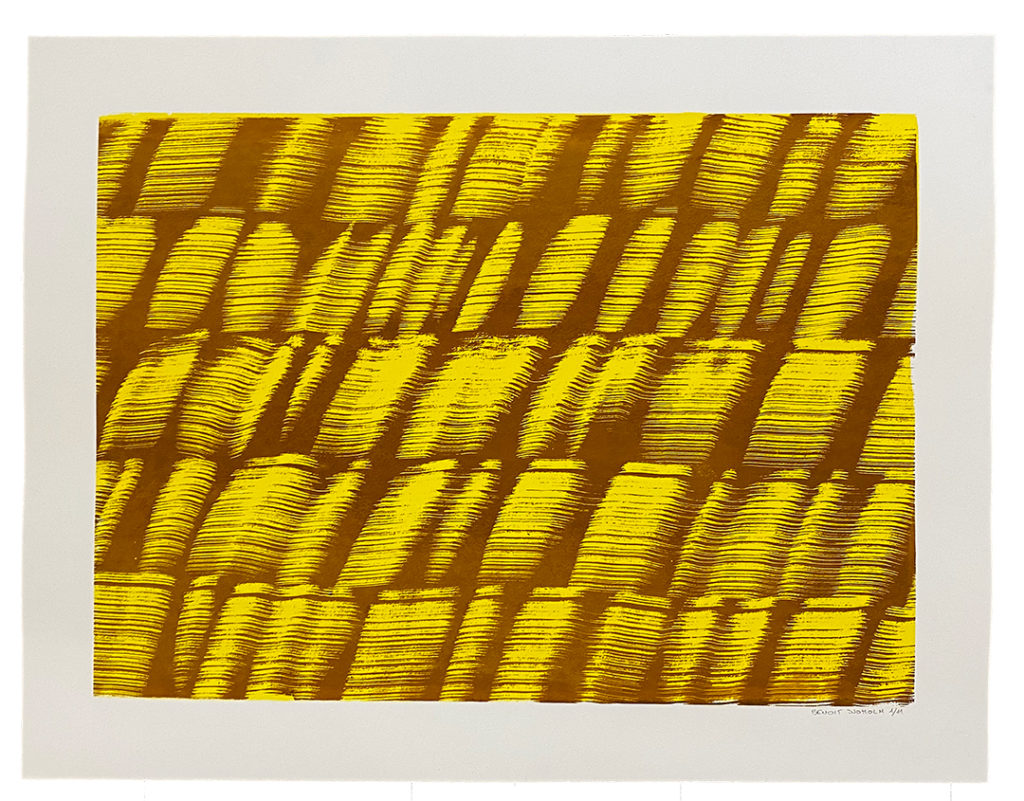
Sans titre n°9
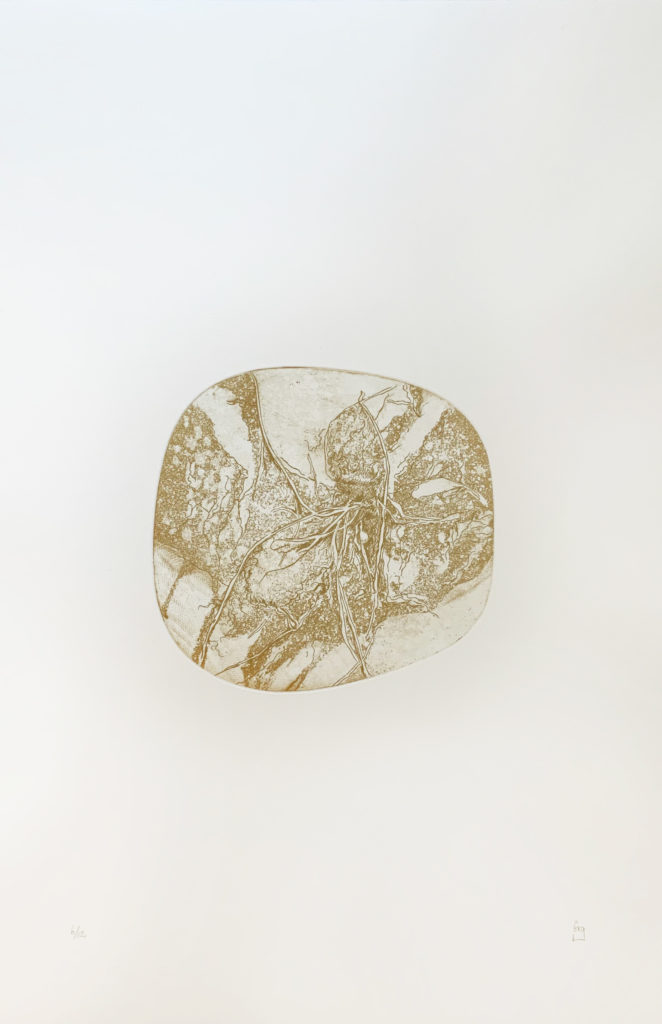
Propagation (gold)
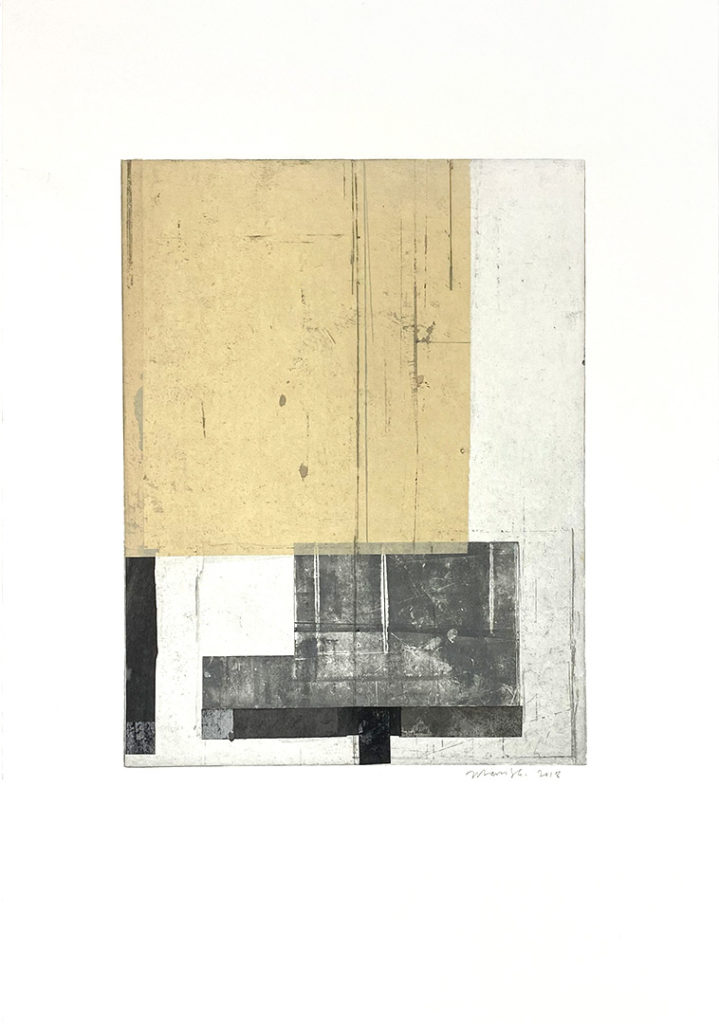
Sans titre n°4
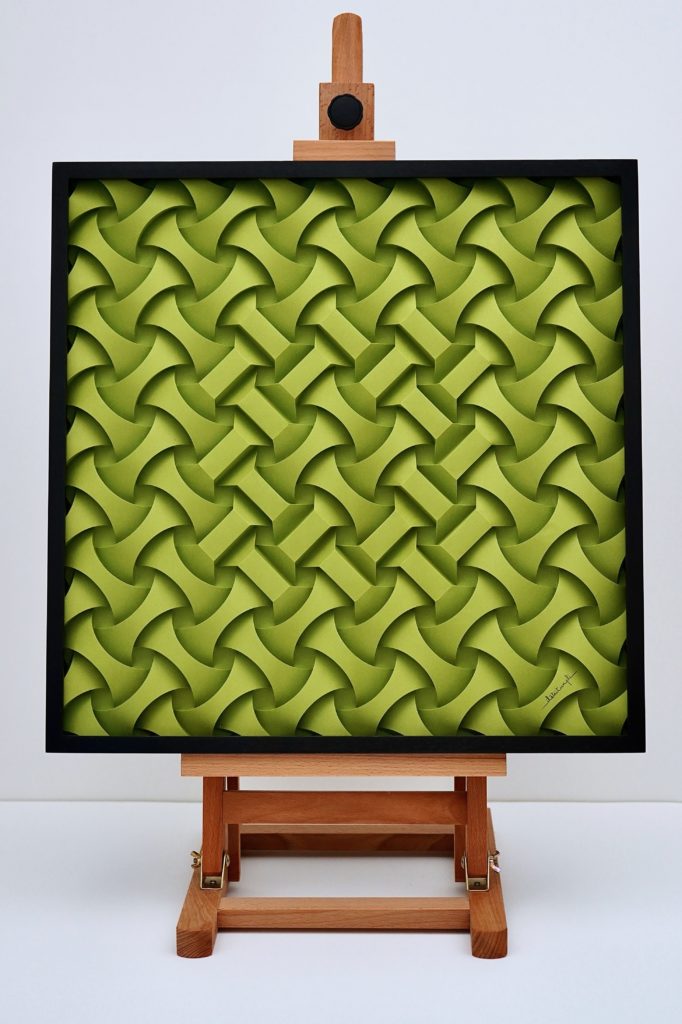
Green Ocean