This week, the Durst Gallery invites you to discover the journey of its painter, Georges Troubat. An opportunity to glimpse his world, just before his solo exhibition at the Durst Gallery, which will take place from March 11 to April 8, 2022.
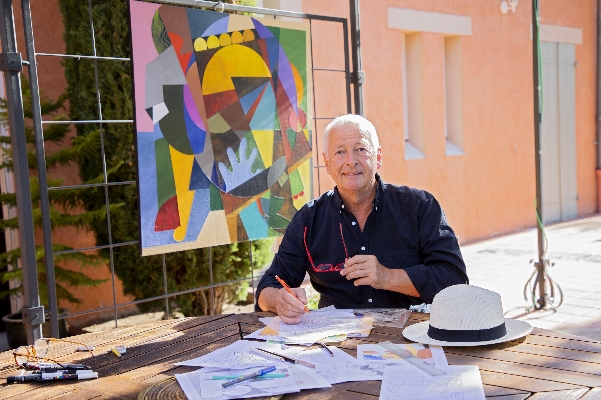
1 – Hello Georges, what is your life path?
My twin brother and I come from a well-off family in central France, and we are the youngest of four children. We had a happy childhood, free from material concerns. Although we are identical twins, our parents always made sure that each of us lived our own life, pursuing our own tastes and aspirations, something that was not very common in the spirit of the 1950s–60s. Naturally inclined to dream and sometimes to solitude, though not introverted, I very early showed a strong artistic inclination, drawing, coloring, and painting with gouache from a very young age, which also made choosing gifts for special occasions much easier!
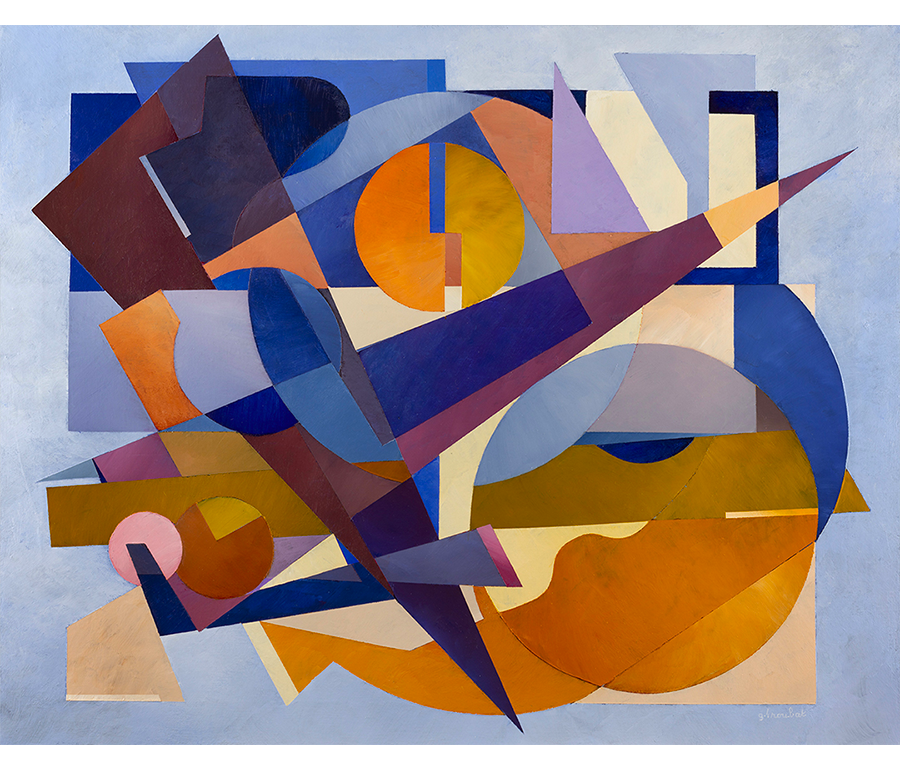
My first oil paintings were brushed when I was barely 12 years old: still lifes, landscapes, self-portraits… and already a few works with an abstract orientation.
Determined to become an architect and enrolled in the corresponding program in Paris, my parents eventually persuaded me to pursue business studies, as my future was set to take over the family company, specializing in paints and cleaning products!
As a business leader in my turn, I never stopped pursuing a dual career, industrial and artistic. This led me to open myself to the art market by founding the “Galerie Point Rouge” in Paris’s “Golden Triangle,” a gallery showcasing major names from the late 1980s (Pichette, Bozzolini, Miotte, and others). This venture provided numerous opportunities to visit studios and to build new relationships and friendships.
Trained in abstraction by the great names of the period, my painting naturally evolved toward this mode of expression, leaving behind, without regret, the oil painting and figurative work of my early years; I have never looked back since.
My first oil paintings were brushed when I was barely 12 years old: still lifes, landscapes, self-portraits… and already a few works with an abstract orientation.
Determined to become an architect and enrolled in the corresponding program in Paris, my parents eventually persuaded me to pursue business studies, as my future was set to take over the family company, specializing in paints and cleaning products!
As a business leader in my turn, I never stopped pursuing a dual career, industrial and artistic. This led me to open myself to the art market by founding the “Galerie Point Rouge” in Paris’s “Golden Triangle,” a gallery showcasing major names from the late 1980s (Pichette, Bozzolini, Miotte, and others). This venture provided numerous opportunities to visit studios and to build new relationships and friendships.
Trained in abstraction by the great names of the period, my painting naturally evolved toward this mode of expression, leaving behind, without regret, the oil painting and figurative work of my early years; I have never looked back since.
My in-depth knowledge of materials, as a paint manufacturer, and my long artistic practice allow me to form an informed judgment on the quality of the works I encounter. I have no exclusivity when it comes to style; I am simply passionate about good painting that speaks to me and brings me joy. It seems to me that abstraction allows one to project oneself more fully into one’s work, without lies or evasions; the exchange becomes direct, masks off!
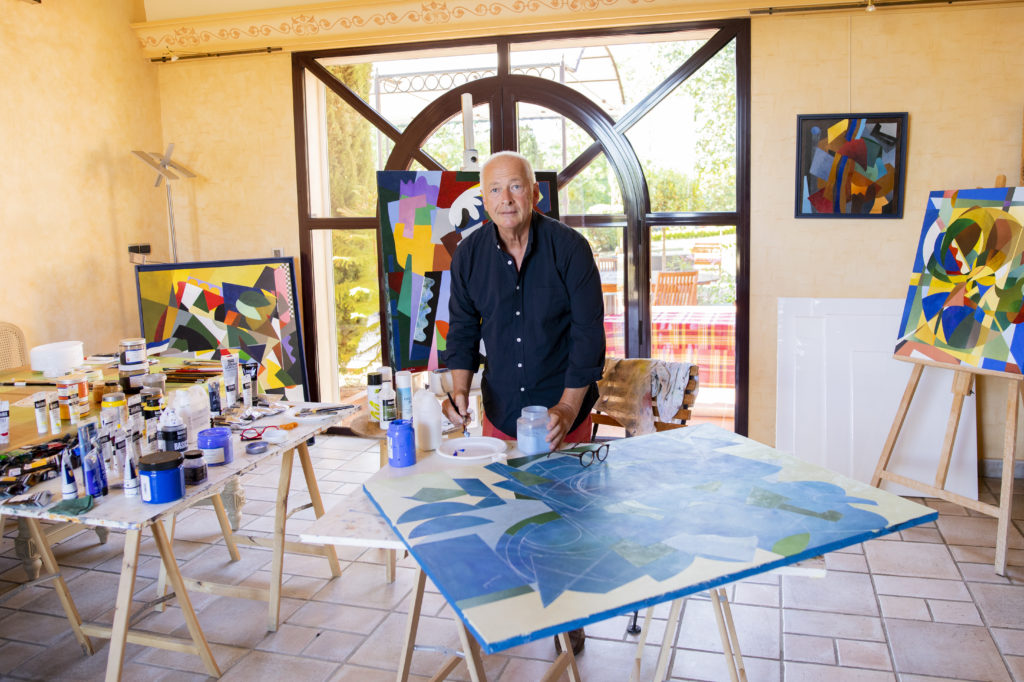
2 – What have been the key moments of your career?
I have experienced beautiful exhibitions and unforgettable moments, as many artists do: exhibitions at the Grand Palais, the Carrousel du Louvre, the French Senate in Paris, and even at the United Nations Headquarters in Geneva. I have also led masterclasses for students at the Yaroslavl School of Fine Arts in Russia in the summer of 2015, and had three of my paintings selected to be included in the Rostov Kremlin Museum of Modern Art, alongside works by Kazimir Malevichand Olga Rozanova.
3 – For you, what is important to express as an artist?
For me, an artist has no legitimacy in expressing their points of view outside of their artistic work; this should not prevent them, however, like any individual, from defending their own personal ideas and convictions.
a first prize. I was barely 17 years old, an award that undoubtedly helped determine my vocation…
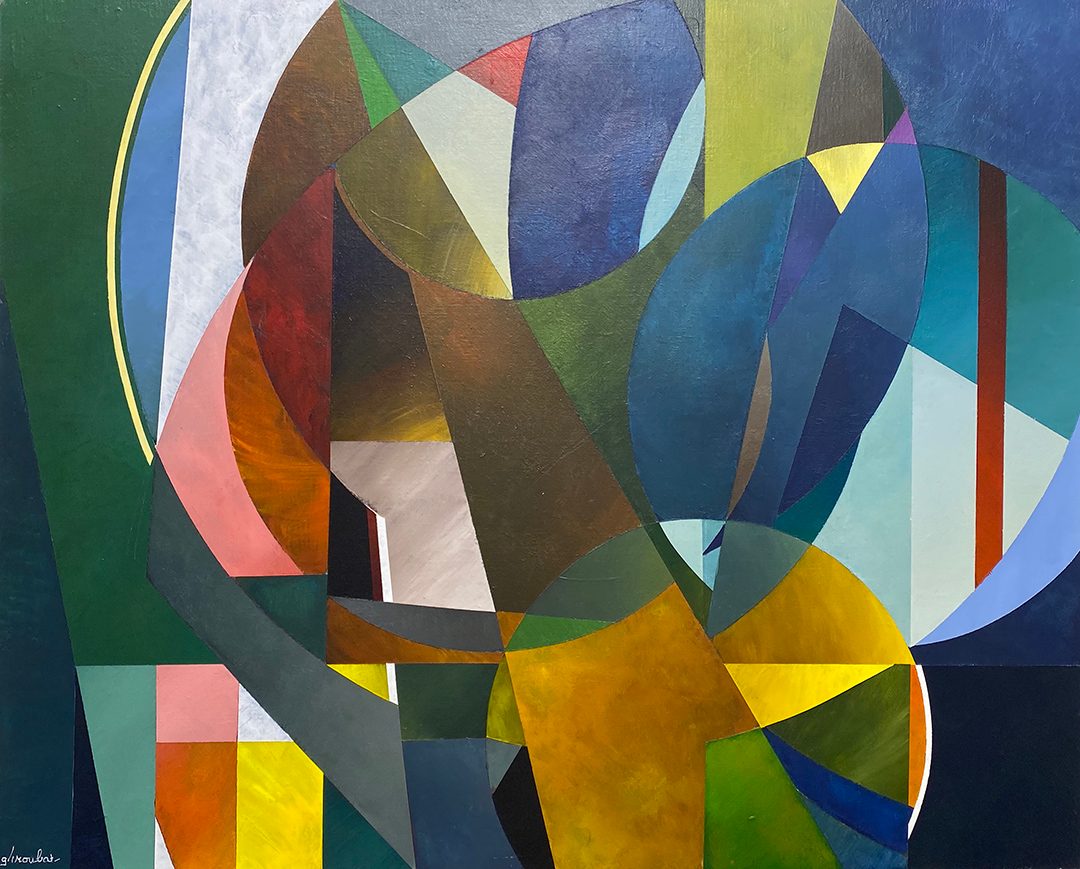
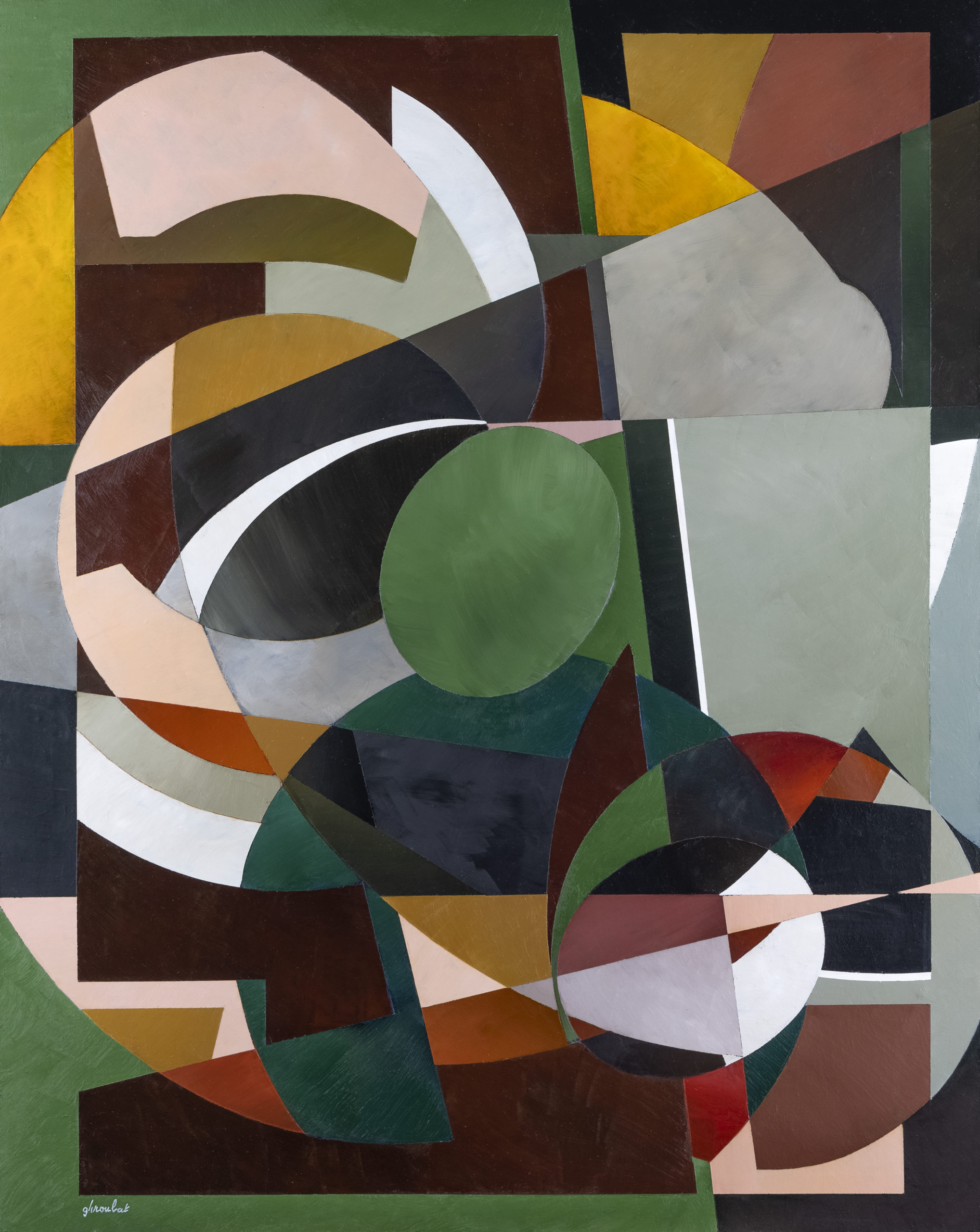
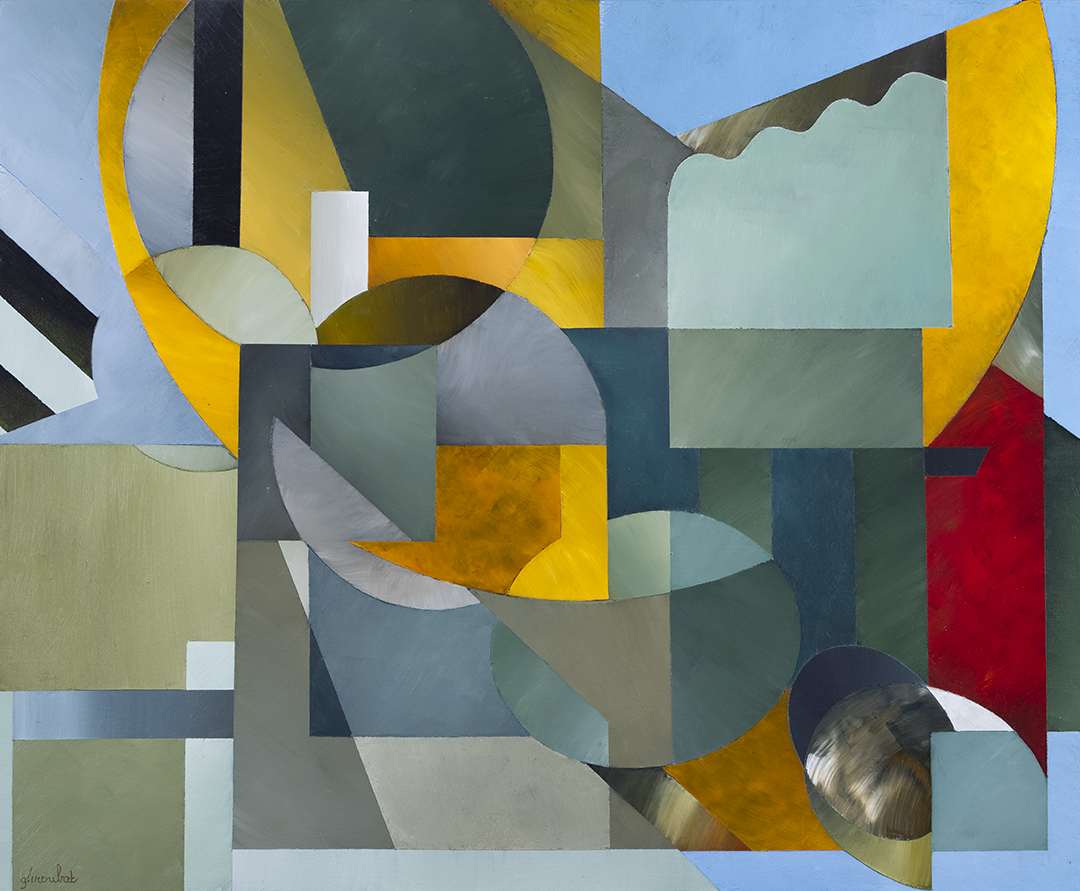
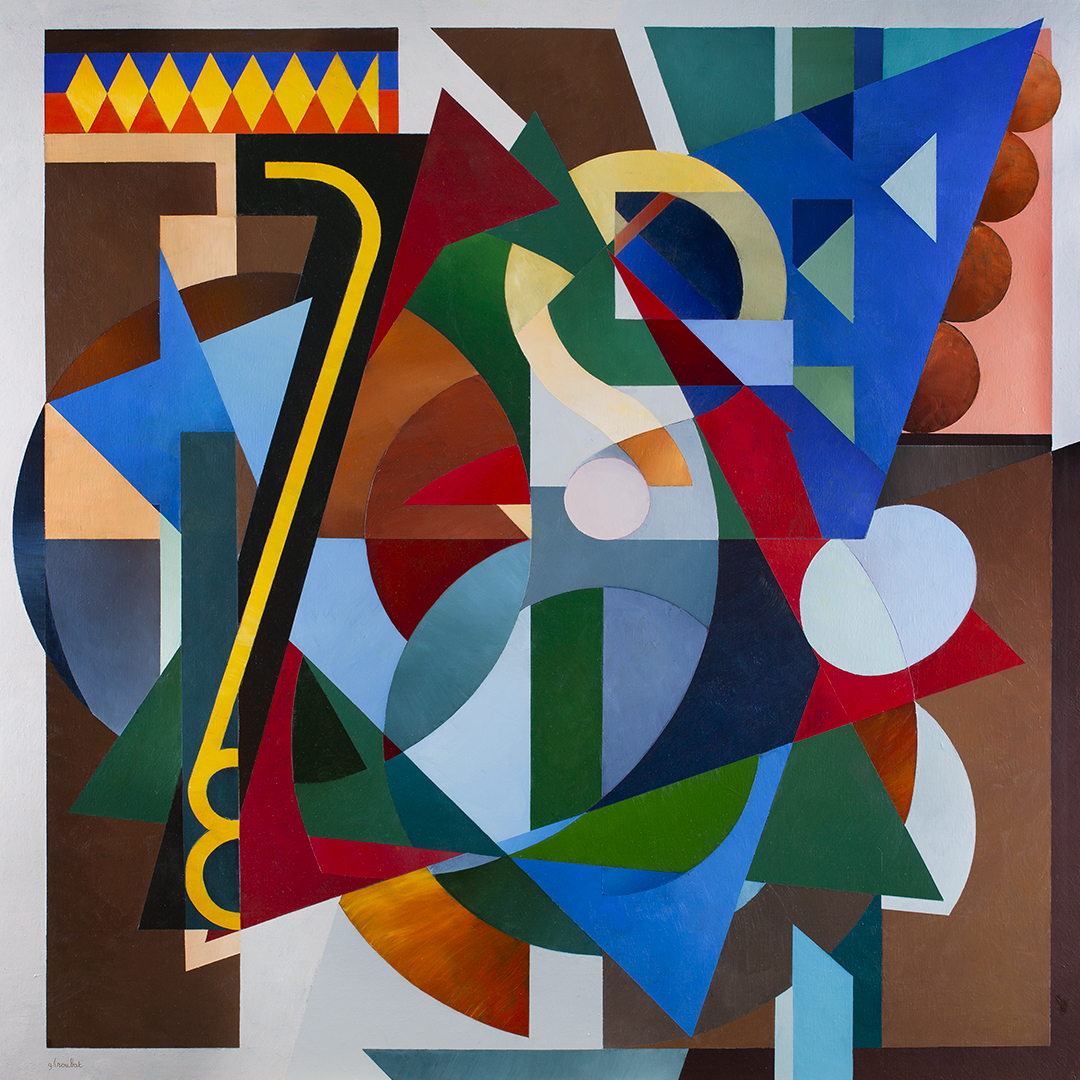
Do not look in my paintings for hidden meanings, symbolic or esoteric significance; there are no subliminal messages either. My work is not veiled, nor is it reserved for a small circle of initiates. Its only aim is to evoke visual pleasure, serenity, and beauty. Then emotion takes hold of you; it draws you deep into the painting, allowing you to build your own personal experience. My works are meant to be joyful and luminous; they reveal a sense of vitality that is naturally communicative, a true immersion in color for the mind’s rest, and a journey into imagination… guided by the artist.
4 – When did you become certain that you needed to become a full-time artist?
I truly became aware of the interest my work could generate when I entered the Salon d’Automne in Montluçon, my hometown, where my painting “Barques sur la grève” was awarded a first prize, at just 17 years old.
5 – What is your preferred medium as an artist?
Today I paint with acrylic, something I would not have considered in the 1980s, but the remarkable technical advances of this medium make it more suited to my current form of expression. As a former paint manufacturer, I generally produce my own colors, which allows me to achieve precise results in terms of tone selection, intensity, depth, and durability. This is an undeniable advantage and, moreover, what defines my mode of expression, making it highly personal.
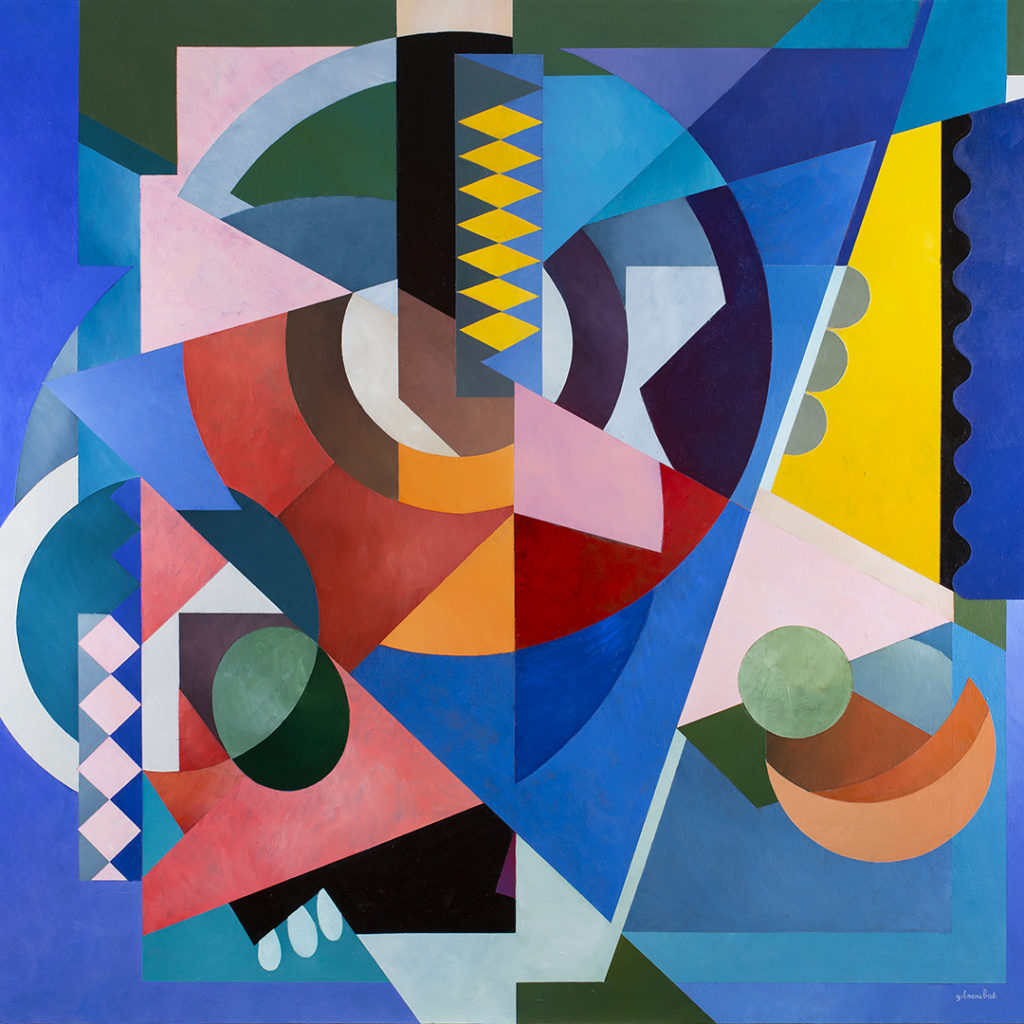
6 – How would you define your artistic style?
My work lies at the boundary between geometric and lyrical abstraction; I would describe it as figurative abstraction. I have a particular sensitivity to Albert Gleizes, Henri Valmier, Jean Metzinger, as well as Alfred Manessier, Georges Braque, and Joan Miró.
To answer the second part of your question, who invents today? Have we reached the end of the creative path?, painting itself seems to struggle to reinvent itself by attempting to combine with other creative forms (photography, digital art, etc.).
For my part, my creativity lies in the way I look at countless other works, and in analyzing the effect they produce in me: here, it may be a sequence of original forms that suggest new combinations; there, a subtle and original harmony of tones to highlight. My experience and my work are my greatest assets in bringing a new emotion that reflects my personality.
7– And what are your inspirations ?
I am a man of passions; beyond painting, my interests extend to music, particularly jazz (many of my works make reference to jazz). I also play the alto and tenor saxophone.
Art plays an essential role in my life; painting, of course, in all its forms, but also music, and all other cultural activities: literature, theater, dance, opera. Moreover, the arts reinforce one another when combined: I have published a book pairing the poems of Fernando Pessoa with my works, and illustrated poetry books. Another example: the official French middle school grammar textbook (4th grade) selected one of my works as an illustration, noting that color is also another form of language.
Exhibition of Georges Troubat’s works at the Durst Gallery from March 10 to April 8, 2022.
To discover his artworks, click here